

Every May, Toronto becomes the beating heart of global documentary storytelling. For two weeks, the city lights up with authentic, urgent, and powerful stories — brought to life through Hot Docs, North America’s largest documentary film festival.
Launched in 1993 by the Documentary Organization of Canada, then known as the Canadian Independent Film Caucus, Hot Docs has grown into a global stage for non-fiction filmmaking, honouring the storytellers who challenge, provoke, and reveal.
Storytelling has always been a way we pass on knowledge and values — a constant through shifting political and economic tides. And while fictional film and television dominate pop culture, documentaries offer something different: a mirror held up to the world, often overlooked, but impossible to ignore once seen.
Toronto as a Documentary Powerhouse

It’s no coincidence that Hot Docs has flourished in Toronto — a city whose cultural fabric is woven with stories from around the globe. Since its modest beginnings in 1993, the festival has grown into North America’s largest documentary showcase, drawing filmmakers, journalists, and industry professionals from every continent. At the heart of that growth lies Toronto’s status as a creative and logistical powerhouse, offering both the infrastructure and audience appetite to turn ambitious ideas into screen-ready realities.
“Toronto has become a world capital for cinema lovers, and feeding their appetite for 20 years has been great fun,” said Chris McDonald, former Executive Director of Hot Docs, to the Toronto Star for the festival’s growth on its 20th anniversary in 2013.
McDonald’s assessment only gets truer every year as Toronto’s creative economy grows. The city’s technical and creative ecosystem makes it an ideal base for documentary production and exhibition. Beyond the iconic Hot Docs Ted Rogers Cinema, Toronto is home to state-of-the-art post-production houses, creative studios, and financial programs designed to nurture both emerging and established talent. Organizations like Ontario Creates offer Canadian film funding grants and tax credits that make Toronto especially attractive to both Canadian and international filmmakers looking to maximize their budgets without compromising quality.
Alongside TIFF, Reel Asian, Inside Out, and other film festivals, Hot Docs helps anchor a local screen industry that contributed more than $3.2 billion to Toronto’s economy in 2022, according to the City of Toronto’s Economic Development and Culture Division.
And the impact stretches beyond the big screen. Each spring, the festival creates a ripple effect throughout the local economy, filling hotels, restaurants, and cafes with filmmakers, media representatives, and cinephiles. That temporary influx underscores the festival’s broader role as an economic driver for the city, turning Toronto into a stage not just for films, but for networking and creative entrepreneurship.
Economic Impact of Film Festivals in Toronto


In 2023, the festival drew over 220,000 attendees, including thousands of international visitors who booked hotels, dined in local restaurants, and explored Toronto’s neighbourhoods between screenings.
What sets Hot Docs apart is its dual identity as both a public festival and an industry incubator. The Hot Docs Forum, for example, is a two-day international co-financing market that has helped secure more than $100 million in production funds for participating projects since its launch. For emerging filmmakers, this can mean the difference between a good idea and a greenlit film.
The festival also hosts Hot Docs Deal Maker and Distribution Rendezvous, matchmaking programs that facilitate one-on-one meetings between creators and decision-makers from major broadcasters and streamers. In 2023 alone, these sessions drew representatives from CBC, BBC, PBS, ARTE, and Netflix, helping turn local pitches into international productions.
These business-to-business events generate real revenue and create long-term opportunities, from co-productions to licensing deals. For Toronto, that means new jobs, more projects staying local, and a stronger foothold in the global documentary supply chain.
Cultural Impact

If Toronto is one of the most diverse cities in the world, then Hot Docs is its screen-sized mirror. Each year, the festival curates a lineup that reflects the complexity of global experience, bringing voices from every continent into conversation under one cultural roof.
Among the standout selections in last year’s festival was 7 Beats per Minute, directed by Yuqi Kang, which offers an intimate portrait of Chinese freediver Jessea Lu as she confronts personal and physical challenges in her quest for excellence. Another notable film, Seguridad by Tamara Segura, provides a poignant exploration of familial bonds and personal history, tracing the director’s journey from Cuba to Canada. The festival’s range was as expansive as its reach, with over 200 films from 72 countries, many presented by the filmmakers themselves in post-screening Q&As.
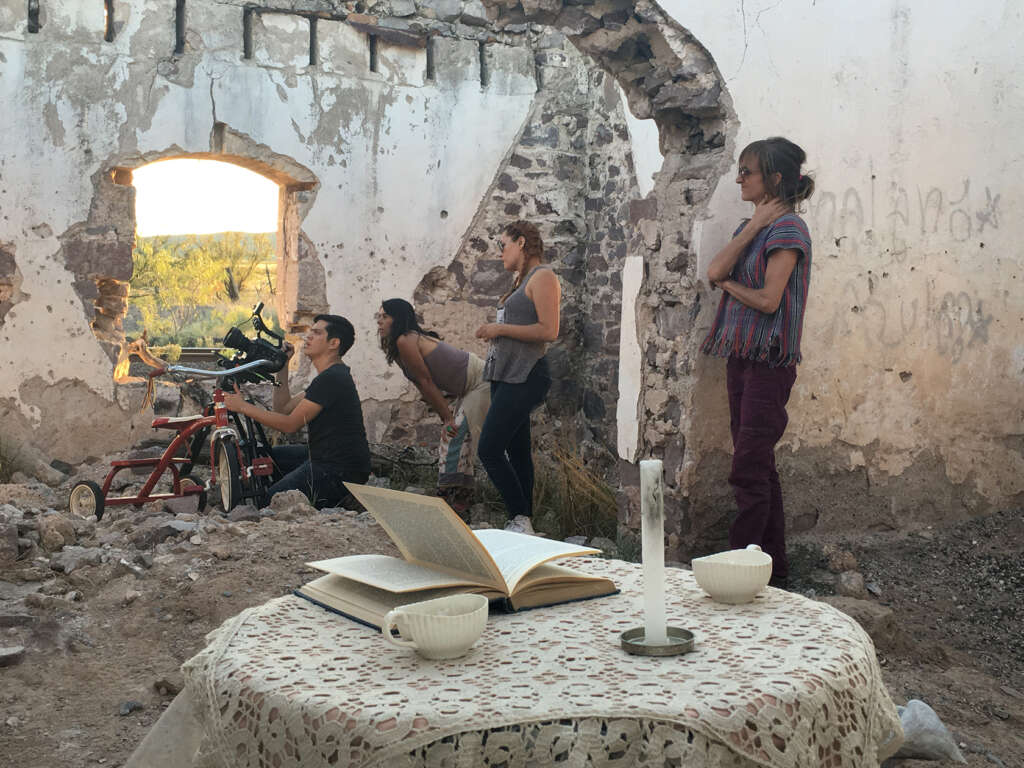
One of Hot Docs’ most lauded selections in recent years was The Guardian of Memory (2019), a haunting look at the Mexican border crisis through the eyes of a human rights lawyer defending asylum seekers. The film not only won the festival’s Best International Feature award but also sparked panel discussions on refugee policy co-hosted by Canadian NGOs — turning a screening into a civic conversation.
This internationalism amplifies Toronto’s unique voice; the city’s motto being “diversity, our strength.”
The Persister program ensures Canadian and female-identifying filmmakers share the spotlight, while community screenings and free events at local libraries extend the reach of global stories to neighbourhood audiences.
Additionally, Hot Docs 2025 marks the debut of Hot Docs’ newly reimagined Made In program — and it’s taking a bold step. Instead of spotlighting a single country, as in past iterations, the 2025 edition is titled Made In Exile, focusing on stories by and about people who have been forcibly displaced. From Afghanistan to Sudan to Ukraine, the program brings together films that explore what it means to create, survive, and stay connected to one’s identity while living far from home. It’s a timely shift that reflects both global upheaval and the power of storytelling across borders.
Conclusion


As Hot Docs continues to grow in global stature, it also deepens its roots in Toronto’s cultural and economic fabric. The festival not only draws world-class talent and international attention, but also reflects the city’s identity: dynamic, diverse, and driven by stories that matter. In celebrating voices from around the world — and amplifying its own — Toronto reinforces its place as a cultural capital where ideas, industries, and communities converge.