

June in Toronto is electric. Patios spill onto sidewalks, music floats from open windows, and rainbow flags adorn storefronts as the city comes alive with festivals, parades, and celebration. Nowhere is this energy more concentrated than in Church-Wellesley Village, the designated heart of LGBTQ2S+ life in Toronto.
The village’s role as a commercial district and as a site of cultural capital is unique. Church and Wellesley is a living business ecosystem that reflects the intersection of identity, advocacy, and economic vitality, having driven tourism, entrepreneurship, and the creative industry in Toronto for decades.
What happens when community, activism and business collide? It happens more than you think, and Toronto’s gay village reflects the benefits of keeping the human side of business at the forefront.
A Village Built on Visibility

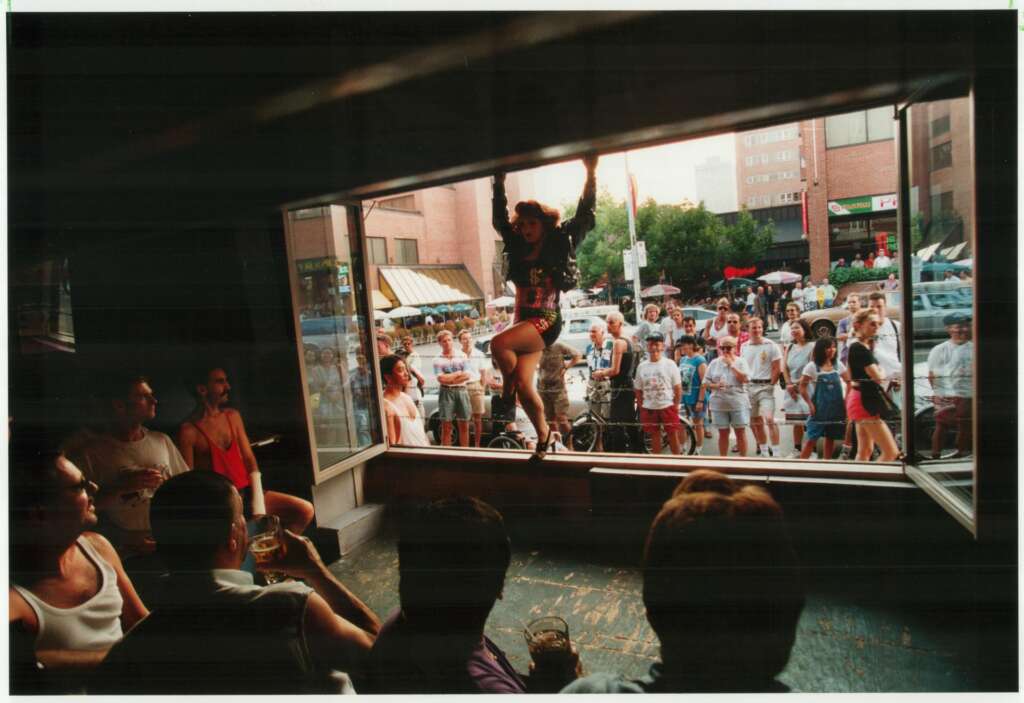
In the 1970s and 80s, as police raids and social marginalization pushed gay bars and community hubs from the periphery to central, urban neighbourhoods, the Village offered both affordability and proximity to downtown. Early businesses, many of them bars, cafes, and bookstores, were not just commercial ventures but sanctuaries. Places like The Barn, Chatelaine’s, and Glad Day Bookshop were deeply tied to political organizing and social support networks.
That dual purpose as both business and safe space shaped a unique commercial identity. It wasn’t just about making money; it was about building visibility and sustaining a community. The early economy of Church-Wellesley was activist by necessity, with businesses often operating under the threat of discrimination or violence. In this sense, the Village’s economy was inseparable from its identity.
Over the years, the Village’s commercial and cultural influence expanded, shifting from underground necessity to celebrated centrepiece, all the way up to present-day Pride Month, now one of Toronto’s most significant economic drivers.
Pride as a Growth Engine

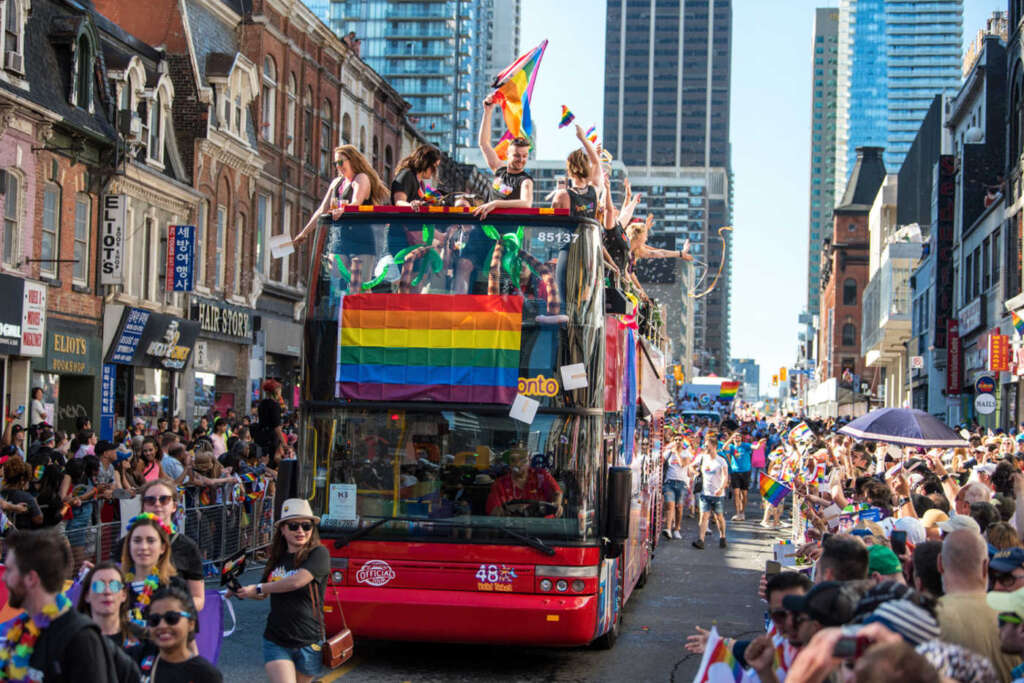
Today, Pride Month is one of Toronto’s most profitable seasonal events, bringing in over $300 million in economic impact in a typical year. Much of that activity is concentrated in and around Church and Wellesley. Restaurants, local retailers, event organizers, and production companies benefit from the influx of people, and Pride-related spending supports hundreds of temporary and permanent jobs.
Pride Toronto has grown from a protest march into a global-scale festival, but Church-Wellesley remains its heart. For small businesses, the weeks surrounding Pride are crucial to annual revenues. Pop-ups, partnerships, and branded sponsorships line the streets, and business owners often plan inventory, staffing, and marketing strategies around the event. In this sense, Church-Wellesley functions like a cultural engine, turning identity into economic momentum.
But this success also underscores a growing tension. While Pride drives tourism, some long-standing community members worry about the commercialization of queer spaces. The question of who benefits economically looms large, but one thing is for certain: the village drives growth in a number of ways and cannot be discounted as an economic engine.
Gentrification and the Queer Economy
Like many urban cultural enclaves, the Village has not been immune to gentrification. Over the past two decades, the area has seen rising rents, condo developments, and a gradual shift in demographics. While change is inevitable, it has come at a cost to the small businesses that defined the Village’s character.
Independent LGBTQ2S+-owned businesses have faced mounting pressures from increasing real estate costs and changing consumer patterns. Chains and corporate franchises have slowly edged into the area, often offering more financial resilience but less cultural specificity. The closure of venues like Fly Nightclub and The Barn were not just economic losses, they were symbolic of a shift from grassroots queer enterprise to a more corporatized streetscape.
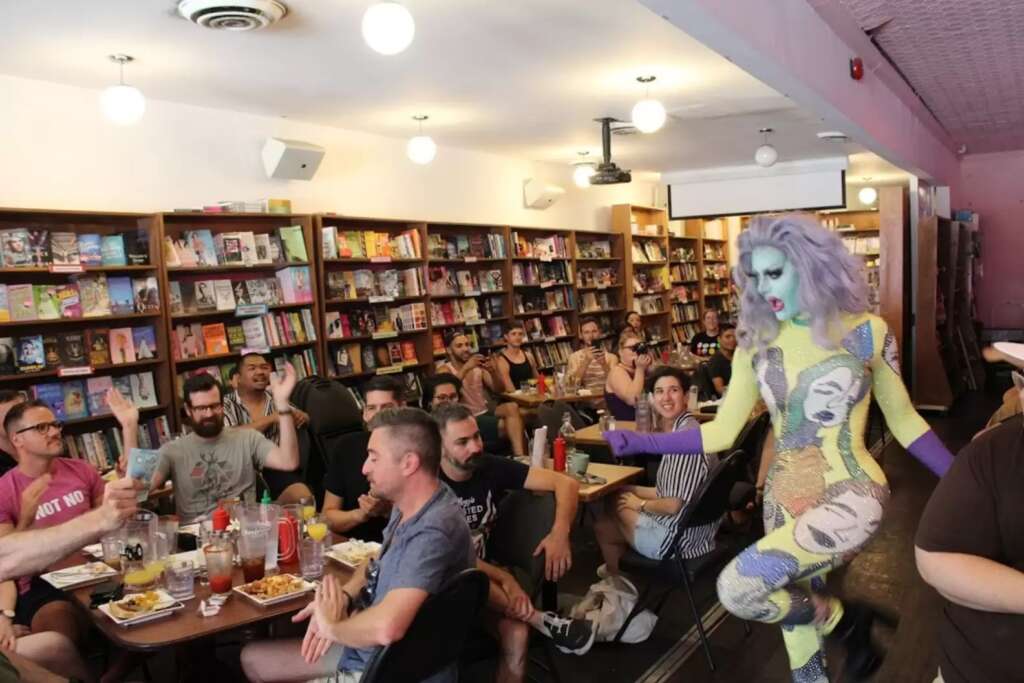
That said, the business environment is far from homogeneous. Many queer entrepreneurs continue to innovate within these constraints. Spaces like Glad Day Bookshop, which reimagined itself as a bookstore-bar-performance venue, show that resilience and adaptability is baked into the Village’s economic DNA. These hybrid models are not just about survival, they reflect an evolved understanding of community, experience, and commerce.
The Rise of Queer-Owned Businesses Across Toronto

While Church-Wellesley remains the symbolic and historical centre, LGBTQ2S+–owned businesses are thriving across the city, injecting inclusive values, creativity, and entrepreneurial spirit into Toronto’s broader economy.
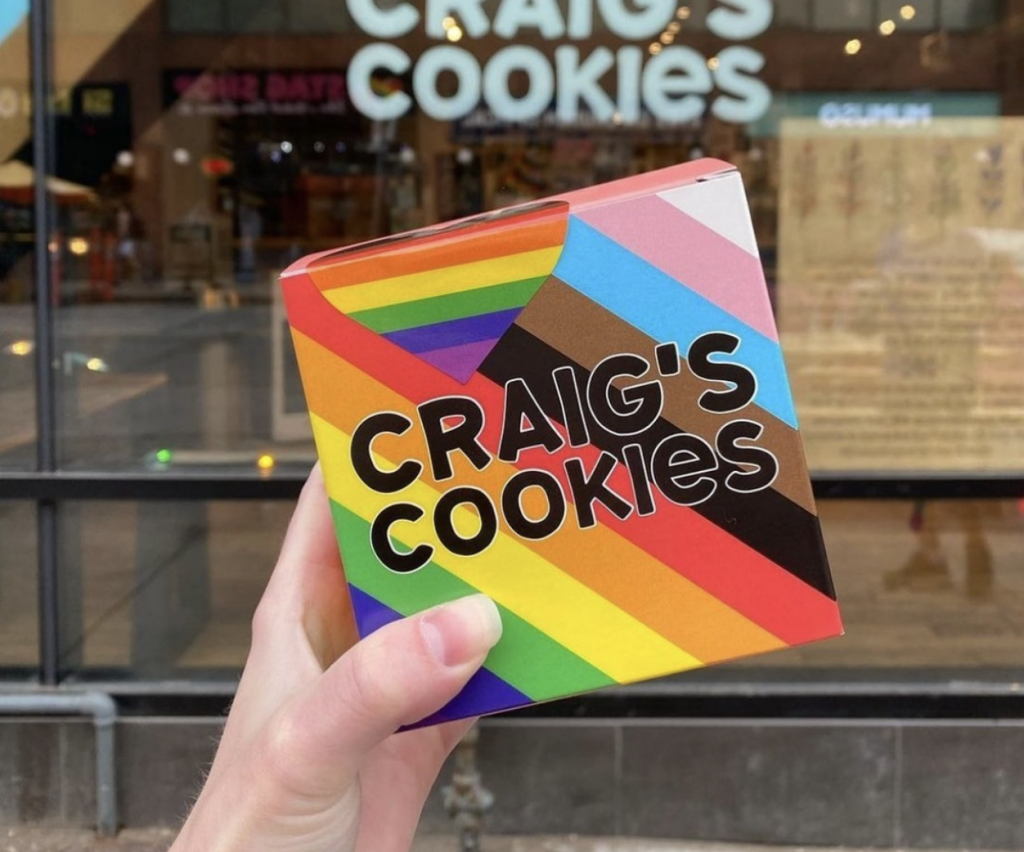
One of the most visible success stories is Craig’s Cookies. What started as a home kitchen operation by actor-turned-baker Craig Pike has exploded into a Toronto-wide brand with multiple storefronts. Known for its nostalgic, joy-filled branding and Pride-forward packaging, Craig’s Cookies is a model of how queer identity can be a business advantage, standing proudly at the intersection of authenticity and mass appeal. Pike has spoken about the connection between his values and his business model, saying in a 2024 interview: “I saw how happy people got when their cookies were delivered to the door. I’m a queer man who owns a business. My ethics and my morals and what I stand for are mirrored in the business.”
Other standout businesses include El Pocho Antojitos Bar, a queer Latina-owned Mexican kitchen in the Annex that blends casual dining with community warmth; and Studio Fontana, a gender-affirming salon that regularly hosts drag and beauty workshops in the heart of the city’s Entertainment District.
Even retail and lifestyle spaces like Beadle, a queer-owned design shop in Roncesvalles, and the reinvented Glad Day Bookshop continue to redefine what queer entrepreneurship looks like. These ventures thrive by cultivating loyal customer bases, hiring inclusively, and contributing to neighbourhood identity even beyond The Village.
Innovation Through Inclusion
Church-Wellesley has also played a vital role in fostering inclusive hiring practices and serving as a training ground for LGBTQ2S+ professionals. For decades, businesses in the Village have offered opportunities to individuals who faced barriers elsewhere, whether in hospitality, retail, or the arts. In many ways, it has functioned as a micro-economy of inclusion.
There’s also a ripple effect. Businesses that started in the Village often go on to influence wider markets, bringing queer-centered design, marketing, and experience to more mainstream contexts. For example, queer-owned creative agencies and production companies now work with national and international clients, bringing a distinctly Toronto voice to global conversations.
One organization helping carry this momentum forward is Start Proud, a Toronto-based non-profit that operates one of Canada’s few dedicated LGBTQ2S+ professional accelerators. With a focus on mentorship, career development, and corporate inclusion, Start Proud connects queer professionals — especially those entering industries like finance, law, and tech — with resources and leadership networks. It reflects how queer-focused business infrastructure is evolving, moving beyond retail to influence Canada’s corporate and innovation economy.
Moreover, the Village has become a testing ground for public policy and business grants aimed at supporting equity-deserving entrepreneurs. Programs from the City of Toronto and BIA initiatives focused on the Church-Wellesley corridor have helped stabilize the area post-COVID, offering rent subsidies, outdoor dining infrastructure, and marketing funds to preserve its cultural and commercial vibrancy.
Local City Councillor Chris Moise, who represents Ward 13 Toronto Centre, which includes Church-Wellesley, and is one of the city’s openly gay elected officials, has been a vocal advocate for the economic and cultural importance of the Village. In 2023, he emphasized the critical role of small business support during Pride season, noting, “I have been working tirelessly … to support businesses in The Village, especially during Pride weekend.” Since then, Moise has supported BIA initiatives, called for increased city funding, and worked to ensure Pride events have the necessary infrastructure to benefit local entrepreneurs.
The Village as a Creative Economy

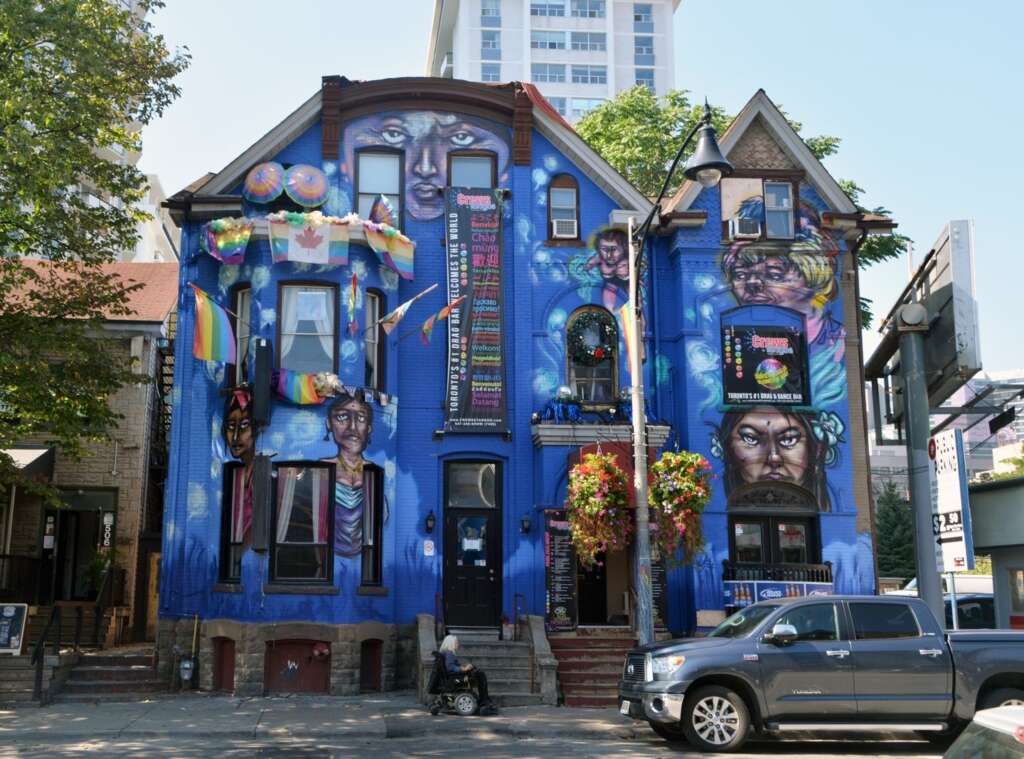
From drag performances to theatre, Church-Wellesley has long contributed to Toronto’s broader creative economy. Venues like Buddies in Bad Times Theatre have launched careers, hosted festivals, and incubated new works that go on to national stages. These artistic contributions generate economic value through ticket sales, tourism, grant funding, and employment.
It’s important to recognize that cultural production is part of the business environment, especially in a city like Toronto, where the creative industries account for over $11 billion in GDP. The Village may not resemble the financial district, but it plays a parallel role: attracting talent, creating jobs, and enhancing the city’s global brand.
The Business of Belonging
To view Church-Wellesley purely as a cultural district is to miss the full picture. It’s an economic microcosm shaped by identity and activism but driven by entrepreneurship, tourism, real estate, and creativity. The Village has always been both a neighbourhood and a business environment built on the principle that inclusion itself is economically powerful.
For Toronto to thrive as a global city, it must recognize the Village not as a niche, but as a nucleus, where culture, commerce, and community intersect in uniquely impactful ways. That recognition is more than symbolic, it’s smart business.