

Toronto transit expansion is a hot topic as the city grapples with delayed projects and congestion issues that reflect the growing pains of an expanding global city. Even celebrities have taken to social media to complain about the challenges of getting around town (though perhaps without adequate justification).
Amid these frustrations, it’s easy to overlook the progress that has been made in expanding our transit infrastructure and the light that sits at the end of the proverbial subway tunnel. Forget delays, Toronto’s transit history is littered with examples of major projects that never even got off the ground. Time and time again, changes in political leadership have thwarted ambitious plans to increase infrastructure and future-proof transit service for the city.
Though the journey hasn’t been linear, here are some key examples of where Toronto failed to progress – and some evidence to suggest that there’s reason to be optimistic about the future.
Toronto’s Early Subway Plans

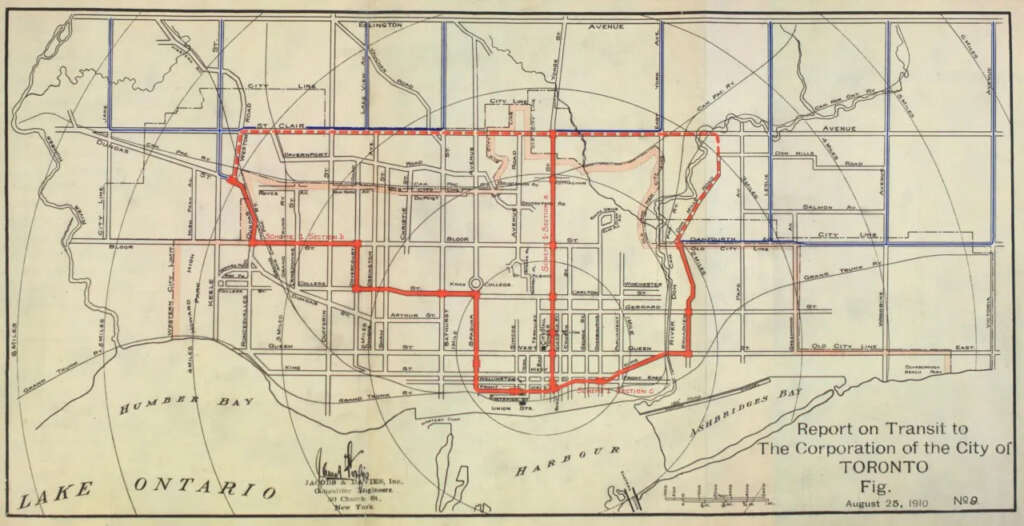
Believe it or not, a big hurdle in Toronto’s early subway plans was public sentiment. Even as Toronto was the first city in Canada to build a subway system in 1954, plans to do so actually began more than 40 years prior in with a three-line system proposed in 1910.
Alas, Toronto’s first subway was foiled by a public vote in 1912 with the popular opinion being that semi-rapid transit on radial railways sufficiently accommodated the city’s needs. With a population of roughly 350,000, this might have been true at the time, but the decision ultimately proved to be shortsighted.
GOing, GOing, gone

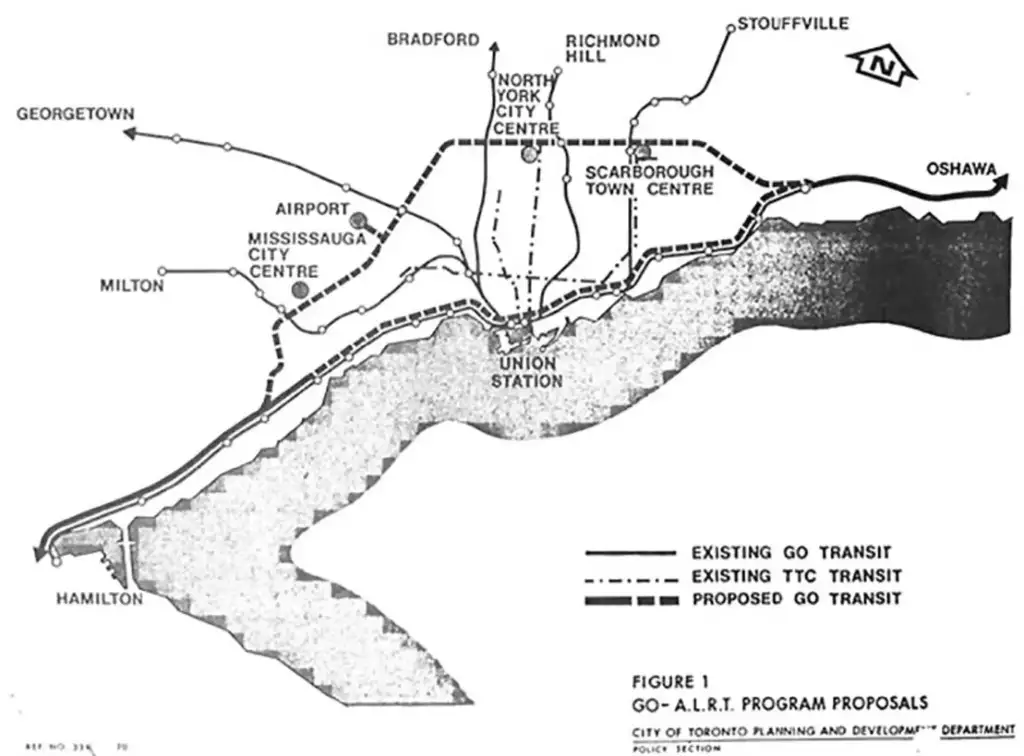
If you live in the Toronto Region, chances are you have relied on the GO Train more than a few times to avoid the 401 or other suburban routes. Although we all know (and love) how far and wide-reaching GO transit vehicles can take us, many don’t realize that the system was supposed to be even more expansive than it is.
A plan for a second service of GO Transit utilizing high-speed, non-diesel trains that would operate faster and more frequently on an inter-city route was proposed in 1982.
The plan, which had its flaws, was halted by a change in provincial leadership from Bill Davies to David Peterson and was ultimately scrapped in 1985. On the bright side, one legacy of the project is the now-busy Lakeshore GO corridor extension.
Network 2011

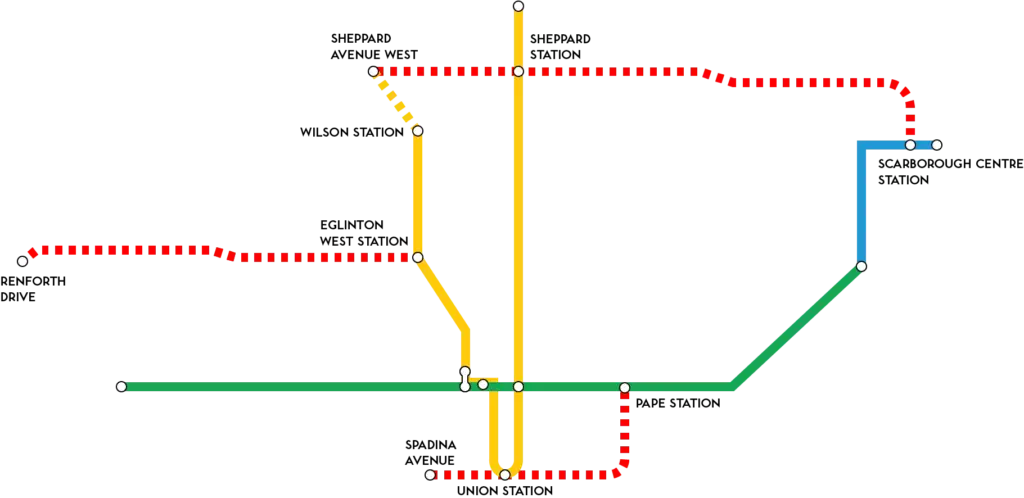
Perhaps the grandest canceled plan of them all, Network 2011 was a massive three-line expansion plan that would include a Downtown Relief Line that would span from Donlands to Union Station, a Sheppard Subway Line from Downsview to Scarborough Town Centre, and an LRT or subway across Eglinton to the airport.
If some of these lines look familiar, it’s because Network 2011 deeply informs much of the infrastructure that’s been built and planned since the project was mostly nixed by a newly elected Mike Harris in 1995. The Shepard Line (4) that we have today can be traced directly to this plan, while the Eglinton Crosstown and Ontario Lines are new projects that merely find their roots in this ill-fated push to increase transit density in Toronto.
What stings the most about Network 2011 is the timing. Given the similarities with the plan and what is currently being built, one can’t help but imagine how much better off the city would be today were the project to have gone through when initially proposed.
Eglinton Crosstown LRT

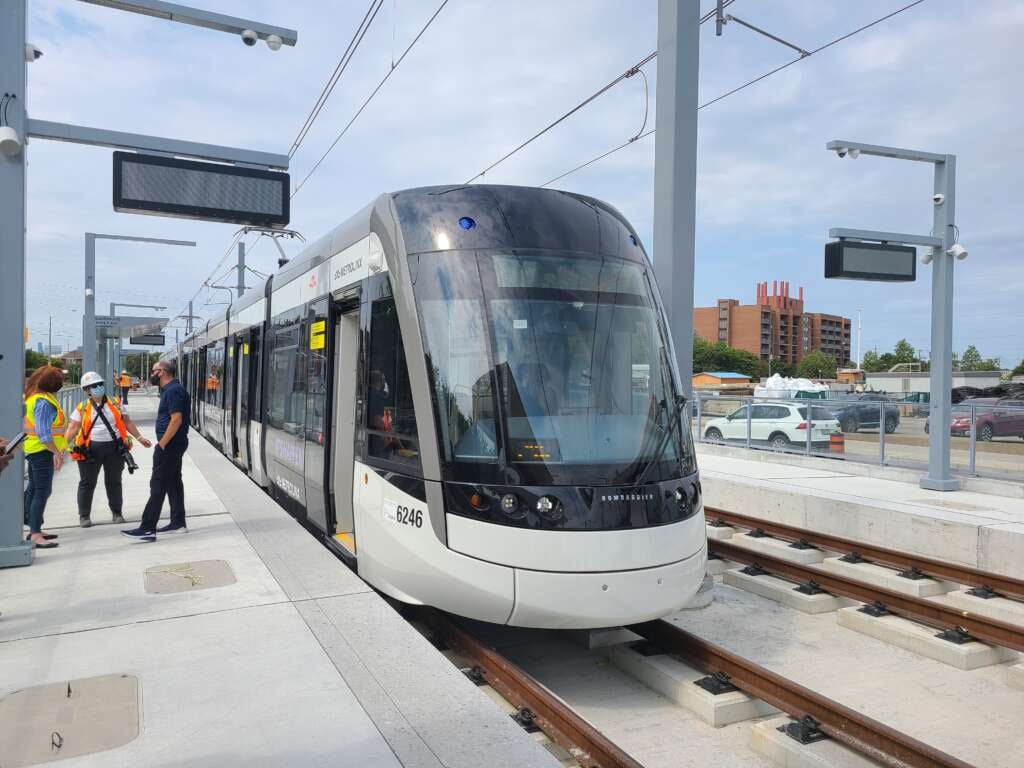
If you’ve lived in the Toronto Region for a while, you probably shuddered at the mention of the Crosstown LRT. The long overdue and way overbudget project is the posterchild for our transit woes, but when you look at it from the standpoint of other ill-fated projects, there’s perhaps room to be a bit forgiving. The line is nearly complete, after all.
The plan for an Eglinton Crosstown LRT was born in 2007, and the project began construction in 2011. The budget for the design, construction and maintenance of the line for 30 years was approved to be $11.78 billion in 2018 and increased by approximately one billion four years later. With the latest reported cost to be at 12.81 billion and work still ongoing, Torontonians are understandably antsy.
The project’s end date has been a moving target due to safety and legal issues, but Metrolinx CEO Phil Verster has assured riders that they have made great progress and the line is on the cusp of completion.
Last year, the Toronto Star reported Stan Cho, Ontario’s associate minister of transportation, in stating that construction on the Eglinton Crosstown is “98 per cent complete.”
The complete line will be a game changer for Torontonians, spanning from Mount Dennis to Kennedy Station, the LRT will provide a car-free way to travel in Midtown Toronto with key connections to existing subway lines.
Why is there reason to be optimistic?

The projects currently underway can’t be easily stopped by a change in political leadership. The wheels are in motion and with $30 billion in federal funding allocated to advancing public transit, it’s clear that the federal government supports expansion in Toronto.
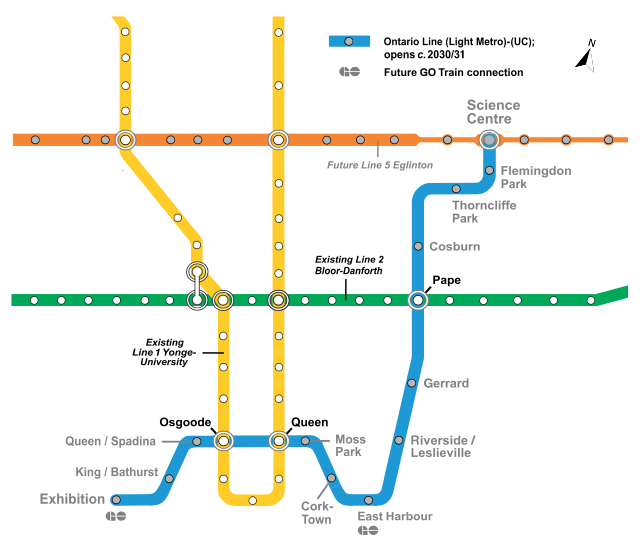
A major part of this transit expansion is the Ontario Line, a 15.6-kilometre subway currently under construction and set to open in 2031 according to Metrolinx. Unlike previous derailed projects, residents in the city can already see progress being made; tunnels are in the ground.
The Ontario Line will seamlessly connect east and west neighbourhoods like Scarborough and Liberty Village, alleviating longstanding commuter headaches and reducing crowding on Line 1. When both the Eglinton LRT and the Ontario Line are in place, Toronto’s transit map will finally resemble the grid-like system of cities who made their transit plans early.
While cities like New York, Paris and Tokyo showed great in their original transit plans, Toronto’s relatively young system naturally still has some growing to do. Unlike the past, however, there are tangible improvements on the horizon that will transform the city’s transit infrastructure over the next decade. In city building terms, that’s not actually so long to wait.