





A Cinematic Innovation Born in Toronto
Where would the Oscars be without the creation of IMAX? When people think of groundbreaking cinematic technologies, places like Hollywood and Silicon Valley often come to mind. Yet one of the most transformative innovations in film history was born not in California, but in Toronto. From its humble origins to its status as a global leader in immersive film technology, IMAX is a testament to Toronto’s ability to foster game-changing ideas and scale them worldwide.
The Birth of IMAX: Sparked at Expo 67
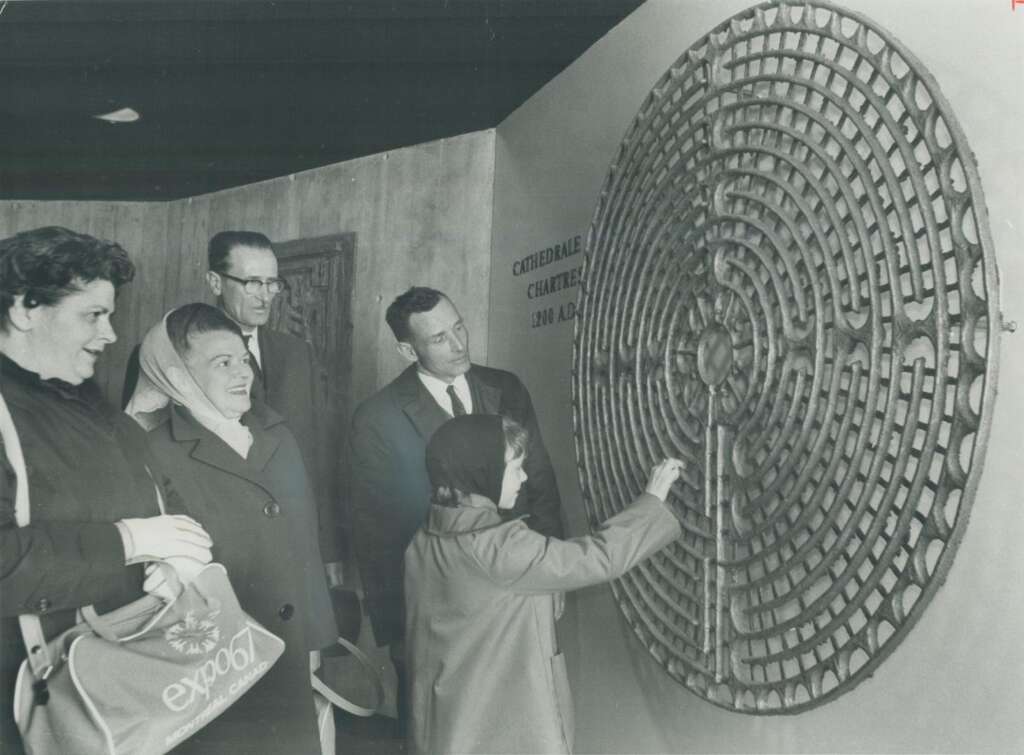
The IMAX story begins in the late 1960s when a group of Canadian filmmakers and engineers, Graeme Ferguson, Roman Kroitor, Robert Kerr, and William C. Shaw, envisioned a revolutionary new way to experience cinema. Their inspiration came from the Expo 67 World’s Fair in Montreal, where large-format multi-screen presentations captured the audience’s imaginations but suffered from technical challenges. They set out to create a seamless, single-projector system that could deliver unparalleled clarity and immersion on massive screens.
In 1967, they founded IMAX Corporation in Toronto, laying the groundwork for a cinematic breakthrough. By 1970, they had developed a unique 15/70 film format, where film stock ran horizontally rather than vertically, allowing for dramatically larger, sharper images. This became the defining feature of IMAX technology, creating an immersive experience unmatched by traditional film formats.
The World’s First IMAX Theatre in Toronto

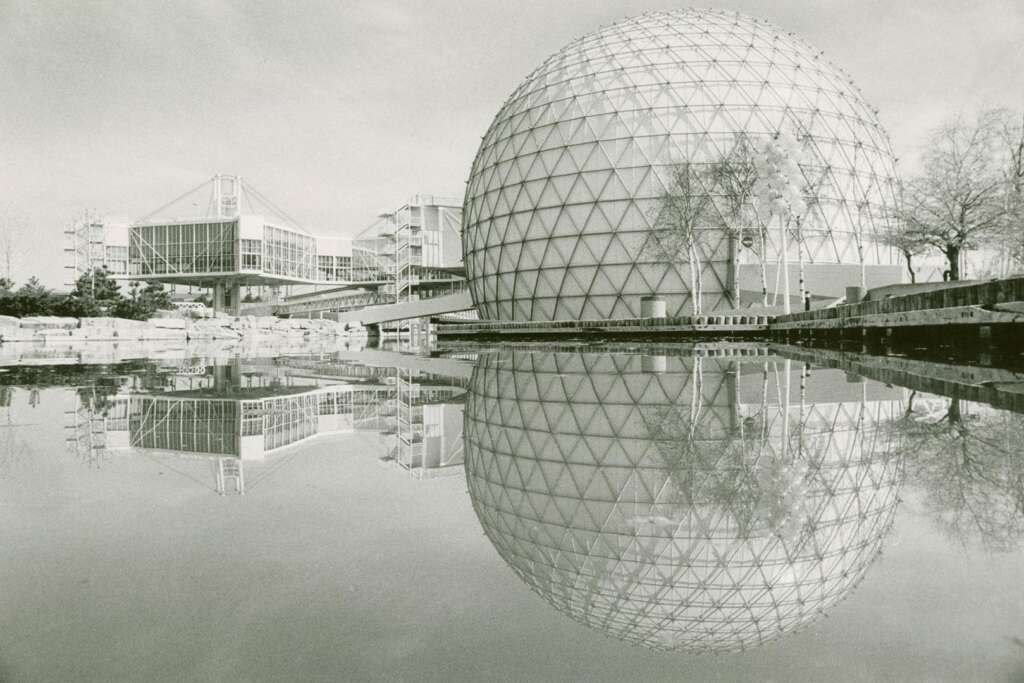
IMAX made its official debut at Expo 70 in Osaka, Japan, where the film Tiger Child introduced audiences to a never-before-seen level of screen immersion. But the milestone came in 1971 when Ontario Place in Toronto became home to the world’s first permanent IMAX theatre, the Cinesphere. The premiere film, North of Superior, directed by Ferguson, stunned audiences with its breathtaking visuals of Canada’s natural landscapes, filling an enormous curved screen with unmatched clarity.
The Cinesphere was more than just a theatre, it was proof of concept. The long lines of eager moviegoers at Ontario Place signalled that IMAX was more than a novelty; it was the future of cinematic spectacle.
IMAX Goes Global: From Documentaries to Blockbusters
Throughout the 1970s and 80s, IMAX became the preferred format for documentary and educational filmmaking, particularly for films about nature, space, and science. NASA embraced IMAX, equipping space missions with specially designed cameras to capture the awe-inspiring vastness of the cosmos for audiences back on Earth.
While IMAX had built a strong reputation in specialty and educational filmmaking, its true breakthrough in mainstream cinema came in the early 2000s, when visionary directors like Christopher Nolan, James Cameron, and Denis Villeneuve began integrating IMAX technology into their Hollywood blockbusters. Nolan, in particular, pioneered IMAX’s use in major action films, shooting large portions of The Dark Knight in the format, creating jaw-dropping sequences that elevated the storytelling experience. The trend continued with Interstellar, Dunkirk, Oppenheimer, and Cameron’s Avatar, proving that IMAX wasn’t just a technical upgrade, it was a storytelling revolution.
Why Toronto? The Perfect Ecosystem for Innovation
What made Toronto the perfect launchpad for IMAX? A unique intersection of creative talent, technological expertise, and institutional support.
- A Thriving Film & Media Industry: Toronto has long been a major hub for filmmaking, home to TIFF (Toronto International Film Festival) and a deep network of creative professionals who contributed to IMAX’s rise.
- Government & Institutional Support: Canada’s strong investment in arts and innovation played a crucial role in supporting the early development of IMAX, giving it room to grow.
- Tech & Engineering Excellence: Toronto’s access to world-class engineers and developers provided the technical expertise needed to refine and scale IMAX technology into a global force.
A Toronto Innovation That Continues to Shape Cinema

IMAX now spans over 80 countries, with hundreds of theatres showcasing the world’s biggest films in its signature format. Despite its global dominance, its roots remain firmly planted in Toronto, a city that continues to foster world-changing ideas and technological revolutions.
IMAX is more than a cinematic innovation, it’s a Toronto-made success story that proves bold ideas don’t just launch here, they scale worldwide. And for companies looking to build the next global powerhouse, Toronto’s legacy of innovation is a clear signal: this is the place to start.